
Lorena Borbinceane
NCPSUnited Kingdom · 6 years' experience
Counsellor - anxiety and grief support
Stress, Anxiety · Grief · Parenting · Depression · +11 more
Read profileCounsellor listings are provided by BetterHelp. We will earn a commission at no additional cost to you if you use our links to purchase.
Explore counsellors and therapists who list obsessive-compulsive disorder (OCD) among their areas of focus on TalkToACounsellor.org. Each profile highlights professional registration, therapeutic approaches, languages and experience to help you find a suitable match. Browse the listings below to review practitioners and learn more about how therapy can help.
United Kingdom · 6 years' experience
Counsellor - anxiety and grief support
Stress, Anxiety · Grief · Parenting · Depression · +11 more
Read profile
United Kingdom · 8 years' experience
Counsellor - relationships and anxiety
Stress, Anxiety · Grief · Depression · Compassion fatigue · +10 more
Read profile
United Kingdom · 13 years' experience
Counsellor - anxiety and grief
Stress, Anxiety · LGBT · Trauma and abuse · Grief · +1 more
Read profile
United Kingdom · 14 years' experience
Counsellor - anxiety and trauma
Stress, Anxiety · Trauma and abuse · Self esteem · Depression · +15 more
Read profile
United Kingdom · 6 years' experience
Counsellor - relationships and trauma
Relationship · Trauma and abuse · Grief · Self esteem · +15 more
Read profile
United Kingdom · 5 years' experience
Counsellor - Relationships and anxiety
Stress, Anxiety · Relationship · Family · Self esteem · +16 more
Read profile
United Kingdom · 4 years' experience
Counsellor - Anxiety and Relationships
Stress, Anxiety · Relationship · Trauma and abuse · Self esteem · +16 more
Read profile
United Kingdom · 27 years' experience
Counsellor - relationships and bereavement
Stress, Anxiety · Relationship · Grief · Intimacy-related issues · +13 more
Read profile
United Kingdom · 5 years' experience
Counsellor - Stress and anxiety
Stress, Anxiety · Grief · Self esteem · Depression · +11 more
Read profile
United Kingdom · 4 years' experience
Counsellor for stress and relationships
Stress, Anxiety · Relationship · Trauma and abuse · Grief · +12 more
Read profile
United Kingdom · 18 years' experience
Counsellor - Depression and anxiety
Stress, Anxiety · Relationship · Trauma and abuse · Depression · +12 more
Read profile
United Kingdom · 11 years' experience
Counsellor - Relationships and trauma
Relationship · Trauma and abuse · Anger · Self esteem · +11 more
Read profile
United Kingdom · 15 years' experience
Counsellor - anxiety and trauma
Stress, Anxiety · Family · Trauma and abuse · Anger · +14 more
Read profile
United Kingdom · 5 years' experience
Counsellor - anxiety and relationships
Parenting · Anger · Self esteem · Coping with life changes · +15 more
Read profile
United Kingdom · 15 years' experience
Counsellor - Anxiety and relationships
Stress, Anxiety · Relationship · Trauma and abuse · Self esteem · +16 more
Read profile
United Kingdom · 7 years' experience
Counsellor - anxiety and relationships
Stress, Anxiety · Addictions · Relationship · Depression · +11 more
Read profile
United Kingdom · 6 years' experience
Counsellor - Anxiety and Relationships
Stress, Anxiety · Relationship · Parenting · Depression · +12 more
Read profile
United Kingdom · 7 years' experience
Counsellor - Stress and trauma
Stress, Anxiety · Trauma and abuse · Grief · Anger · +6 more
Read profile
United Kingdom · 8 years' experience
Counsellor - relationships and anxiety
Stress, Anxiety · Relationship · Parenting · Career · +16 more
Read profile
United Kingdom · 7 years' experience
Counsellor - stress and relationships
Stress, Anxiety · Family · Trauma and abuse · Grief · +16 more
Read profile
United Kingdom · 7 years' experience
Counsellor - stress and relationships
Stress, Anxiety · Relationship · Self esteem · Depression · +11 more
Read profile
United Kingdom · 20 years' experience
Counsellor - trauma and long-term conditions
Stress, Anxiety · Trauma and abuse · Grief · Anger · +13 more
Read profile
United Kingdom · 9 years' experience
Counsellor for anxiety and relationships
Stress, Anxiety · Relationship · Family · Trauma and abuse · +14 more
Read profile
United Kingdom · 9 years' experience
Counsellor - relationships and anxiety
Stress, Anxiety · Relationship · Trauma and abuse · Self esteem · +15 more
Read profile
United Kingdom · 9 years' experience
Counsellor - anxiety and stress
Stress, Anxiety · LGBT · Trauma and abuse · Grief · +16 more
Read profile
United Kingdom · 11 years' experience
Counsellor - anxiety and depression
Stress, Anxiety · Relationship · Grief · Self esteem · +13 more
Read profile
United Kingdom · 7 years' experience
Counsellor - grief and trauma support
Stress, Anxiety · Trauma and abuse · Grief · Self esteem · +15 more
Read profile
United Kingdom · 13 years' experience
Counsellor - anxiety and relationships
Stress, Anxiety · Relationship · Family · Parenting · +13 more
Read profile
United Kingdom · 12 years' experience
Counsellor - stress and relationships
Stress, Anxiety · Addictions · Relationship · Trauma and abuse · +16 more
Read profile
United Kingdom · 3 years' experience
Counsellor - stress and relationships
Stress, Anxiety · Relationship · Grief · Self esteem · +14 more
Read profile
United Kingdom · 21 years' experience
Counsellor - anxiety and relationships
Stress, Anxiety · Relationship · Trauma and abuse · Self esteem · +10 more
Read profile
United Kingdom · 5 years' experience
Counsellor - anxiety and relationships
Stress, Anxiety · Grief · Parenting · Bipolar · +11 more
Read profile
United Kingdom · 4 years' experience
Counsellor - Anxiety and trauma
Stress, Anxiety · Trauma and abuse · Depression · Coping with life changes · +11 more
Read profile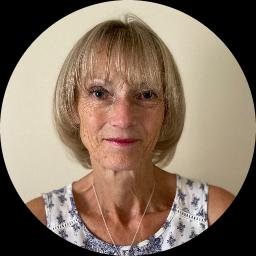
United Kingdom · 5 years' experience
Counsellor - stress and trauma
Stress, Anxiety · Trauma and abuse · Grief · Self esteem · +13 more
Read profile
United Kingdom · 20 years' experience
Counsellor - stress and relationships
Stress, Anxiety · Trauma and abuse · Grief · Depression · +16 more
Read profile
United Kingdom · 12 years' experience
Counsellor - anxiety and relationships
Stress, Anxiety · Relationship · Trauma and abuse · Depression · +14 more
Read profile
United Kingdom · 40 years' experience
Counsellor - relationships and family issues
Relationship · Family · Grief · Parenting · +14 more
Read profile
United Kingdom · 7 years' experience
Counsellor - trauma and emotional issues
Stress, Anxiety · Trauma and abuse · Self esteem · Depression · +13 more
Read profile
United Kingdom · 15 years' experience
Counsellor - trauma and anxiety
Stress, Anxiety · Relationship · Grief · Intimacy-related issues · +12 more
Read profile
United Kingdom · 30 years' experience
Counsellor - stress and trauma focus
Stress, Anxiety · Relationship · Trauma and abuse · Depression · +3 more
Read profile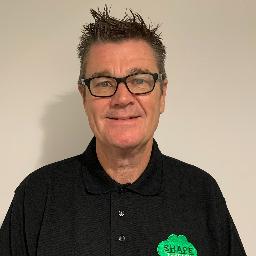
United Kingdom · 5 years' experience
Counsellor - Stress and Addictions
Stress, Anxiety · Addictions · Relationship · Family · +14 more
Read profile
United Kingdom · 14 years' experience
Counsellor - addictions and anxiety
Addictions · Self esteem · Career · Coping with life changes · +12 more
Read profile
United Kingdom · 11 years' experience
Counsellor - relationships and trauma
LGBT · Relationship · Trauma and abuse · Grief · +10 more
Read profile
United Kingdom · 3 years' experience
Counsellor - anxiety and relationship support
Stress, Anxiety · Relationship · Self esteem · Career · +12 more
Read profile
United Kingdom · 17 years' experience
Counsellor - relationships and grief
Relationship · Family · Grief · Parenting · +12 more
Read profile
United Kingdom · 22 years' experience
Counsellor - Stress and relationships
Stress, Anxiety · Relationship · Family · Grief · +16 more
Read profile
United Kingdom · 20 years' experience
Counsellor - relationships and anxiety
Stress, Anxiety · Relationship · Grief · Parenting · +14 more
Read profile
United Kingdom · 4 years' experience
Counsellor - stress and relationship support
Stress, Anxiety · Relationship · Self esteem · Depression · +10 more
Read profile
United Kingdom · 8 years' experience
Counsellor - anxiety and depression
Stress, Anxiety · Self esteem · Depression · LGBT · +4 more
Read profile
United Kingdom · 13 years' experience
Counsellor - Stress and addiction support
Stress, Anxiety · Addictions · Relationship · Trauma and abuse · +11 more
Read profile
United Kingdom · 12 years' experience
Counsellor - Stress and relationships
Stress, Anxiety · Relationship · Grief · Parenting · +12 more
Read profile
United Kingdom · 6 years' experience
Counsellor - anxiety and relationships
Stress, Anxiety · Relationship · Trauma and abuse · Depression · +16 more
Read profile
United Kingdom · 12 years' experience
Counsellor - Stress and Relationships
Stress, Anxiety · Relationship · Grief · Coping with life changes · +8 more
Read profile
United Kingdom · 16 years' experience
Counsellor for relationships and trauma
Relationship · Family · Trauma and abuse · Self esteem · +10 more
Read profile
United Kingdom · 5 years' experience
Counsellor - anxiety and relationships
Stress, Anxiety · Relationship · Trauma and abuse · Grief · +12 more
Read profile
United Kingdom · 15 years' experience
Counsellor - stress and relationships
Stress, Anxiety · Relationship · Family · Self esteem · +10 more
Read profile
United Kingdom · 4 years' experience
Counsellor - Trauma and self-esteem
Trauma and abuse · Self esteem · Depression · Stress, Anxiety · +2 more
Read profile
United Kingdom · 4 years' experience
Counsellor - stress and relationships
Stress, Anxiety · LGBT · Relationship · Family · +7 more
Read profile
United Kingdom · 12 years' experience
Counsellor - anxiety and addictions
Stress, Anxiety · Addictions · Grief · Self esteem · +13 more
Read profile
United Kingdom · 24 years' experience
Counsellor - stress and relationships
Stress, Anxiety · Addictions · Relationship · Depression · +15 more
Read profileObsessive-compulsive disorder is often misunderstood as simply being tidy or liking routines. In reality, OCD can take many forms and can have a profound impact on daily life. You may experience intrusive thoughts that cause distress, accompanied by urges to perform specific behaviours or mental rituals to reduce anxiety. For some people the obsessions are focused on contamination, harm, symmetry or taboo themes; for others the compulsions are repetitive checking, counting, ordering or mental reviewing. The unwanted thoughts and the effort to neutralise them can be time-consuming, mentally exhausting and isolating.
Because OCD can be internalised, you might find it hard to explain your experience to friends or family. You could feel ashamed or worried about how others will react, which may delay seeking support. It is common for people with OCD to try to manage symptoms alone for a long time, but over time the condition can interfere with work, relationships and wellbeing. Understanding that OCD is a recognised mental health difficulty and that many therapeutic approaches exist to help you reduce distress is an important first step.
You might consider reaching out to a counsellor or therapist if your thoughts and behaviours are taking up a lot of your day, causing significant distress, or limiting your ability to do the things you want. Difficulty concentrating, avoidance of activities or places because of fears, and strained relationships because of reassurance-seeking or rigid routines are common indicators that professional support could help. If you find yourself performing rituals that feel necessary to prevent feared outcomes, or spending weeks or months trying to resist intrusive thoughts without relief, therapy can offer structured strategies to address those patterns.
Therapy can be helpful even if you are uncertain whether your experience fits a particular diagnostic label. You do not need to meet a rigid checklist to benefit from talking with a professional. When you meet a counsellor, you can expect an exploratory conversation about what you are experiencing, how it affects your life and what you hope to change. That initial work helps both you and the therapist to decide on goals and a therapeutic approach that matches your needs and preferences.
In therapy you will typically find a gradual and collaborative rhythm to the work. Early sessions often focus on building a shared understanding of the problem - what triggers your intrusive thoughts, how rituals or avoidance maintain anxiety, and what you want to achieve. Your therapist will take time to hear your story and to map patterns that maintain distress. Sessions are usually paced to respect your comfort while encouraging steady progress.
As therapy progresses you can expect practical exercises to be introduced alongside reflective conversations. These exercises may involve approaching feared situations in a planned way, learning new ways to respond to distressing thoughts, and developing skills to tolerate uncertainty. Homework between sessions is commonly suggested to practise new strategies in everyday settings. You will be encouraged to notice small changes and to build on them. Throughout, your therapist should explain the rationale for different exercises and work with you to adapt them to your life.
Cognitive and behavioural approaches are frequently listed by therapists who work with OCD because they address the thinking and behavioural patterns that maintain distress. Therapists who list cognitive-behavioural approaches often focus on helping you identify unhelpful beliefs and test them through behavioural experiments. Exposure-based methods, where you gently face feared situations without performing rituals, are a component that many counsellors describe among their approaches. When you explore these methods you might be offered gradual exposure plans and coaching on managing anxiety while you practise new responses.
Beyond cognitive and behavioural styles, some therapists list acceptance-oriented approaches, compassion-focused work, or psychodynamic perspectives as part of their toolkit. Therapists who mention acceptance and commitment approaches may help you develop a different relationship to intrusive thoughts - noticing them with less struggle and choosing actions that align with your values. Those who list compassion-focused work often emphasise reducing self-criticism and increasing emotional regulation. Psychodynamic-influenced practitioners may explore the personal meaning of symptoms and historical patterns that shape your current responses. Because professionals vary in how they integrate methods, it is useful to read profiles to see which combinations of approaches feel right to you.
Online therapy has become a common way to access help for OCD, offering flexibility in how you connect with a counsellor. Sessions usually take place via video call, phone or messaging, and the structure mirrors in-person work with scheduled appointments, collaborative planning and practice tasks between meetings. You can work from your own home or another personal setting, which can make it easier to apply exercises directly to the situations that are difficult for you.
When working online you should expect clear information from the therapist about how sessions will be conducted, how to manage technical issues, and how to plan for any exercises that may be challenging. Therapists who list online work among their approaches may also describe ways to adapt exposure activities to a remote format, such as guiding you through exercises during a video call or setting tailored homework you can safely practise. If you prefer in-person contact, many therapists include details of whether they offer sessions from a clinic or a personal consultation room in their profiles.
Finding a therapist who feels like a good fit is an important part of the process. Start by looking for practitioners who explicitly list OCD or obsessive-compulsive patterns among their areas of focus, and read how they describe their approach to the condition. Consider professional registration as one indicator of recognised standards of practice - for example, therapists registered with BACP, HCPC or NCPS will typically note that on their profile. Registration does not guarantee a perfect match but it does provide a frame for discussing ethical practice and professional oversight.
Think about practical preferences such as session length, fees and whether you want online or in-person work. Reflect on the therapeutic language used in profiles - do you respond to a therapist who emphasises practical behavioural methods, or do you prefer someone who foregrounds emotional processing and longer-term exploration? It is reasonable to begin with a short conversation to ask about their experience with OCD, the typical structure of sessions and how they approach exposure-based exercises or acceptance strategies. That conversation can give you a sense of how they communicate, how they involve you in planning, and whether their style feels supportive.
Finally, give yourself permission to try a few different profiles until you find someone who resonates with you. Therapy is a partnership, and feeling heard and respected is as important as the specific methods used. Use the listings to compare approaches, read about registrations and languages spoken, and choose a counsellor whose description aligns with the kind of support you want to receive. Taking that step can open up a path to reduced distress and greater control over your life.